
Transforming School Playgrounds: Sustainable Surfacing and Landscaping Ideas


Transforming school playgrounds into sustainable and engaging environments is an exciting endeavor that benefits both children and the planet. By focusing on eco-friendly surfacing and innovative landscaping, schools can create safe, fun, and educational outdoor spaces.
The Importance of Sustainable Surfacing
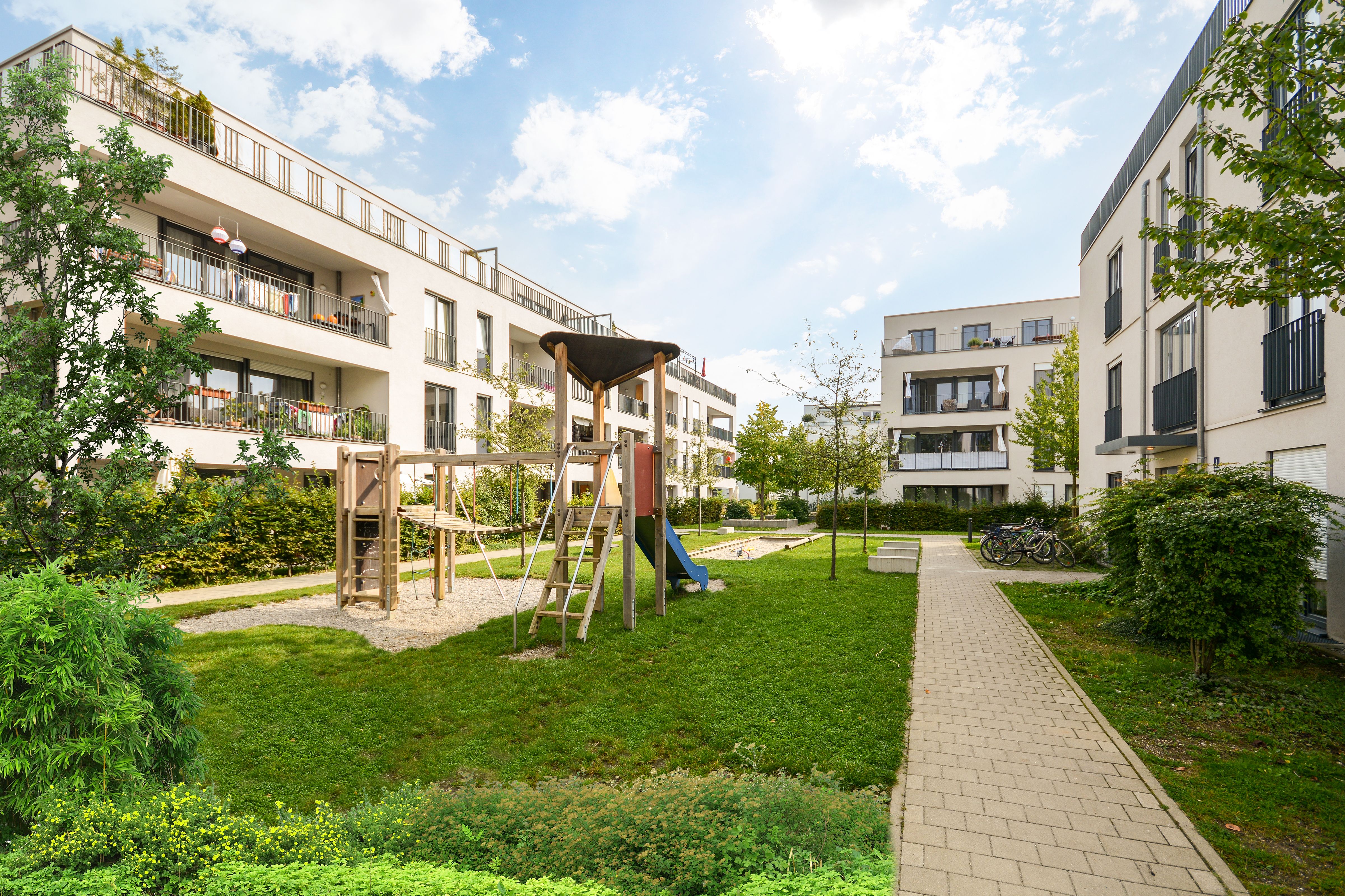
Sustainable surfacing is a key element in modern playground design. Traditional surfaces like asphalt can be harmful to the environment and uncomfortable for children. In contrast, eco-friendly options such as recycled rubber, wood chips, or natural grass provide safer and more sustainable alternatives.
Recycled rubber surfaces are particularly popular due to their durability and cushioning properties. They are made from old tires, reducing waste and providing a soft surface that minimizes injuries. Wood chips and natural grass are biodegradable options that blend seamlessly with the natural environment.
Benefits of Natural Grasses
Natural grass not only offers a soft play area but also contributes to the environment by improving air quality and providing habitat for small wildlife. Regular maintenance, such as mowing and watering, keeps the grass healthy and vibrant, enhancing the aesthetic appeal of the playground.
Innovative Landscaping Ideas
Landscaping plays a crucial role in transforming playgrounds into engaging learning environments. By incorporating elements like trees, gardens, and natural play structures, schools can create spaces that encourage exploration and creativity.
Trees provide shade and beauty, making playgrounds more inviting. They also serve as natural air filters, improving the overall air quality. Planting a variety of native species ensures that the ecosystem remains balanced and thriving.
Edible Gardens and Learning Opportunities
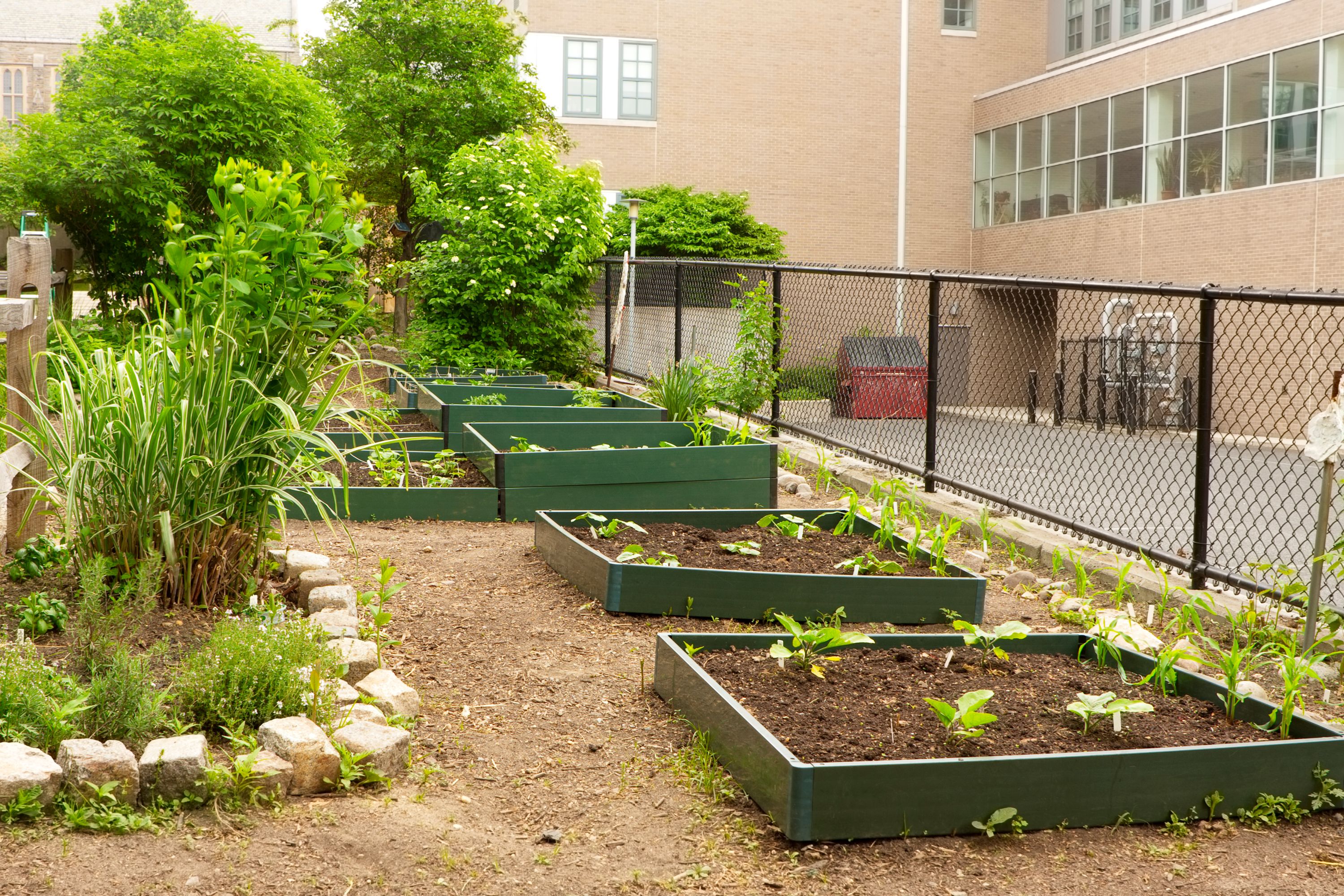
Edible gardens offer unique educational opportunities. By growing fruits, vegetables, and herbs, children learn about plant life cycles, nutrition, and sustainability. These gardens can be incorporated into science and health curriculums, providing hands-on learning experiences.
Engaging Play Structures
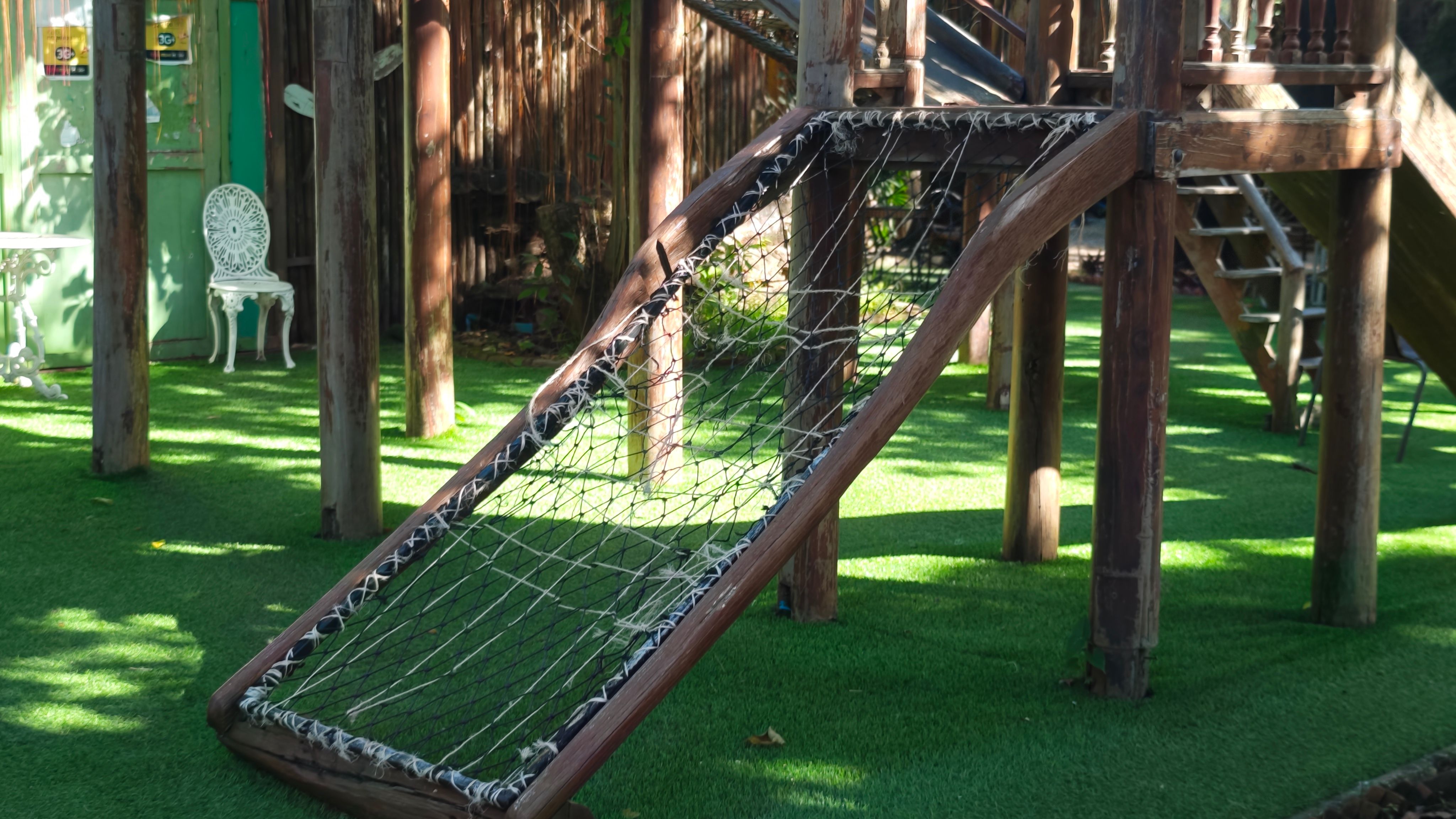
Natural play structures made from materials like wood and stone encourage imaginative play. These structures can include climbing walls, tunnels, and balance beams, designed to develop physical skills while sparking creativity.
Natural elements such as logs, boulders, and sand pits can be used to create dynamic play areas. These features not only blend with the landscape but also promote active play and problem-solving skills.
Community Involvement
Involving the community in playground transformation projects fosters a sense of ownership and pride. Parents, teachers, and local businesses can contribute time, resources, or expertise, creating a collaborative effort that strengthens community bonds.
By choosing sustainable surfacing and innovative landscaping, schools can create playgrounds that are not only fun and educational but also environmentally conscious. These transformations inspire children to connect with nature and learn the value of sustainability, setting the stage for a greener future.