
The Role of Permeable Surfaces in Modern Civil Engineering


Introduction to Permeable Surfaces
In the evolving landscape of civil engineering, permeable surfaces have become a significant focus. These surfaces, which allow water to pass through them, play a crucial role in sustainable urban development. As cities grow and climate change intensifies, the need for innovative solutions to manage stormwater and reduce urban flooding becomes increasingly imperative.
Permeable surfaces are designed to reduce runoff, improve water quality, and recharge groundwater supplies. Unlike traditional impermeable surfaces such as concrete and asphalt, permeable alternatives provide environmental benefits that are essential for modern infrastructure.
Types of Permeable Surfaces
There are several types of permeable surfaces used in civil engineering, each with unique characteristics and applications.
- Permeable Concrete: This type of concrete is designed to allow water to infiltrate through the surface, reducing runoff and promoting groundwater recharge.
- Permeable Asphalt: Similar to permeable concrete, this material is used for paving roads and parking lots, providing a flexible and durable solution.
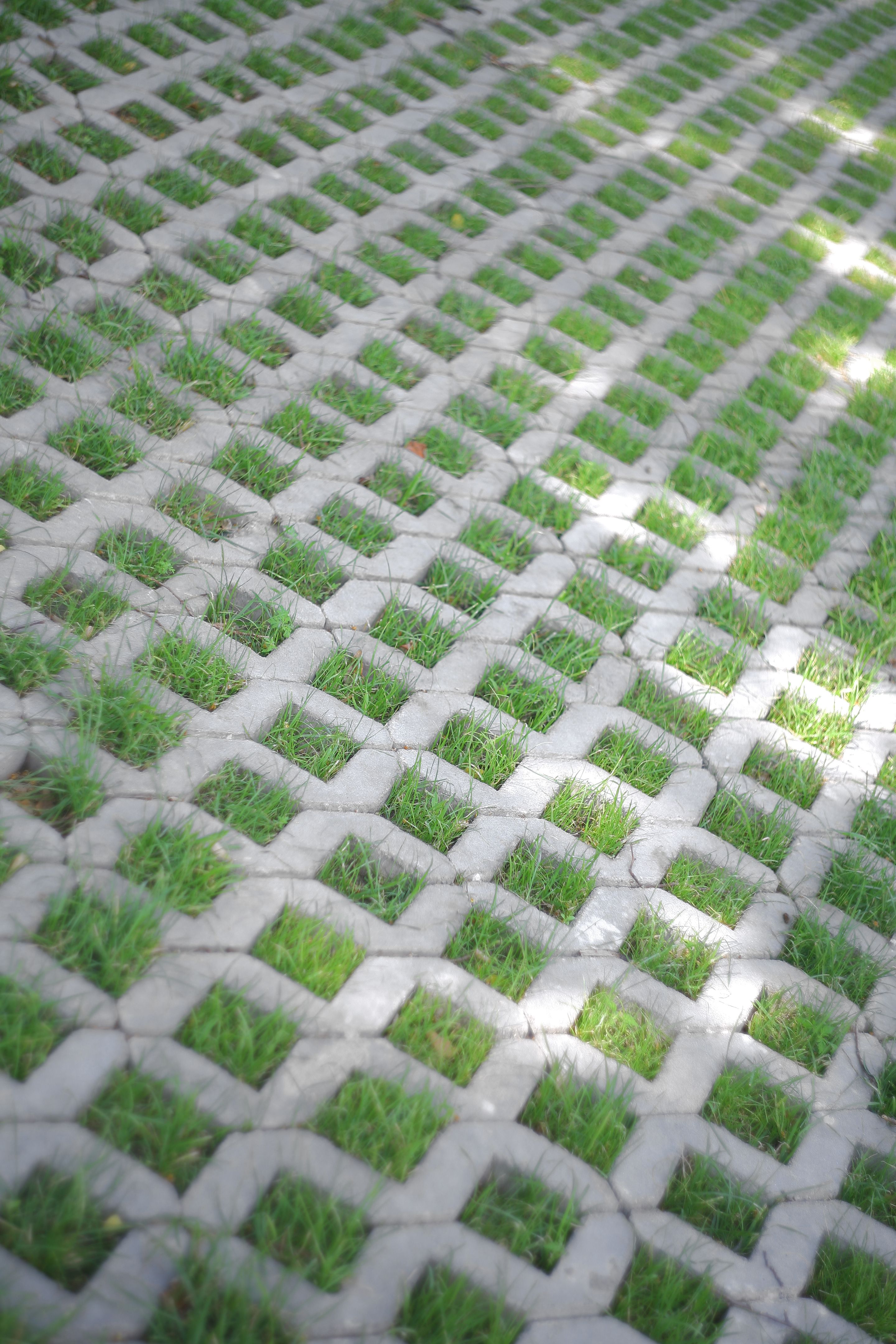
- Pervious Pavers: These are individual units made from concrete, brick, or stone that allow water to pass through the joints.
Each type offers distinct advantages, and the choice depends on specific project requirements and environmental conditions.
Benefits of Using Permeable Surfaces
The adoption of permeable surfaces in civil engineering projects offers numerous benefits. One of the primary advantages is the reduction of stormwater runoff, which helps to prevent flooding in urban areas. This is particularly important in regions experiencing heavy rainfall and rapid urbanization.
Additionally, permeable surfaces improve water quality by filtering pollutants and sediments, thus reducing the burden on water treatment facilities. They also contribute to the replenishment of local aquifers, supporting sustainable water management practices.
Applications in Urban Design
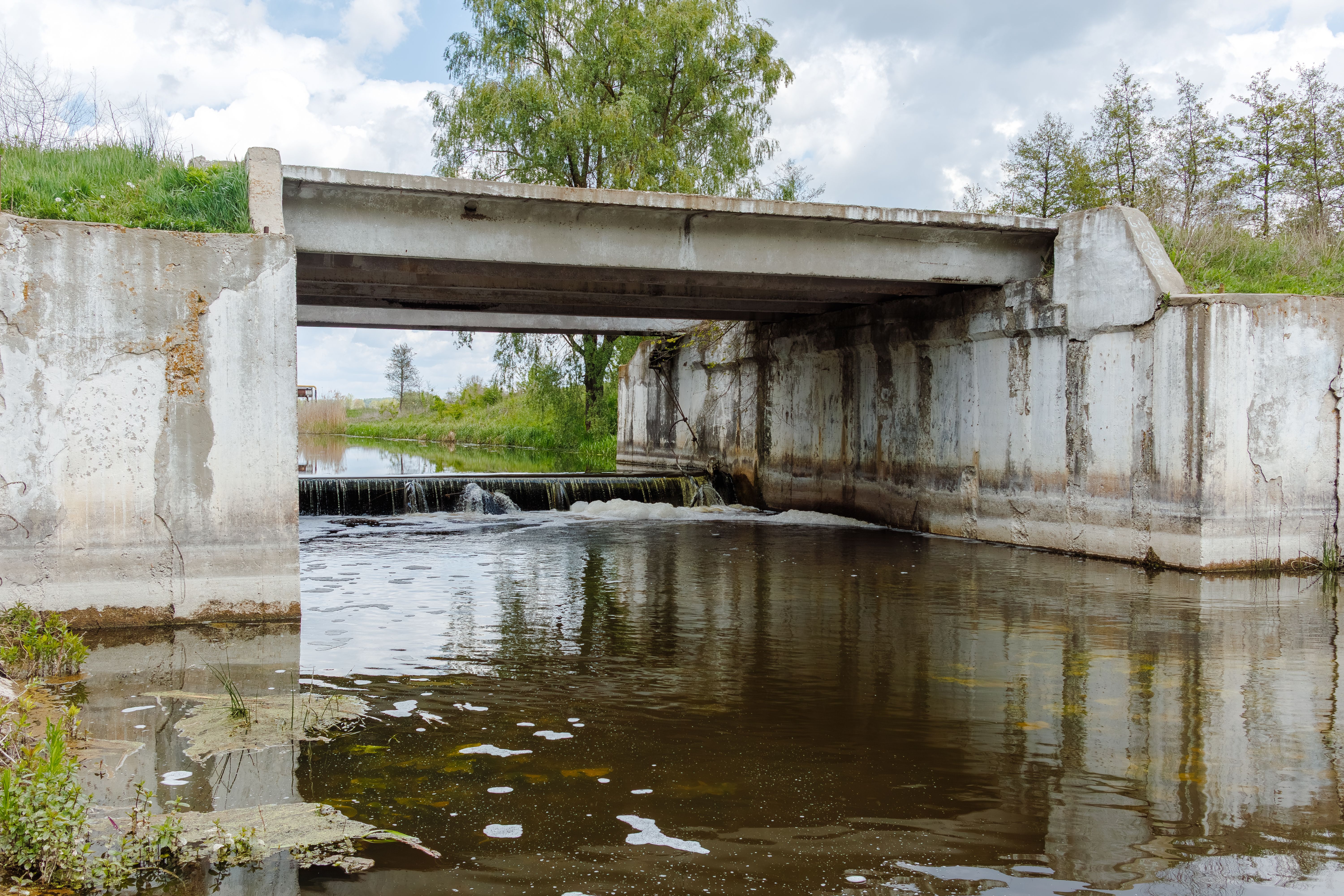
Permeable surfaces are increasingly being integrated into urban design projects. From residential driveways to public parks, these surfaces provide functional and aesthetic benefits. In urban areas, permeable pavements are ideal for pedestrian walkways, parking lots, and roads, where they help manage runoff and reduce heat island effects.
Moreover, these surfaces are used in landscaping and green infrastructure projects, creating spaces that are both environmentally friendly and visually appealing. By incorporating permeable surfaces, cities can enhance their resilience to climate change and improve the quality of urban living.
Challenges and Considerations
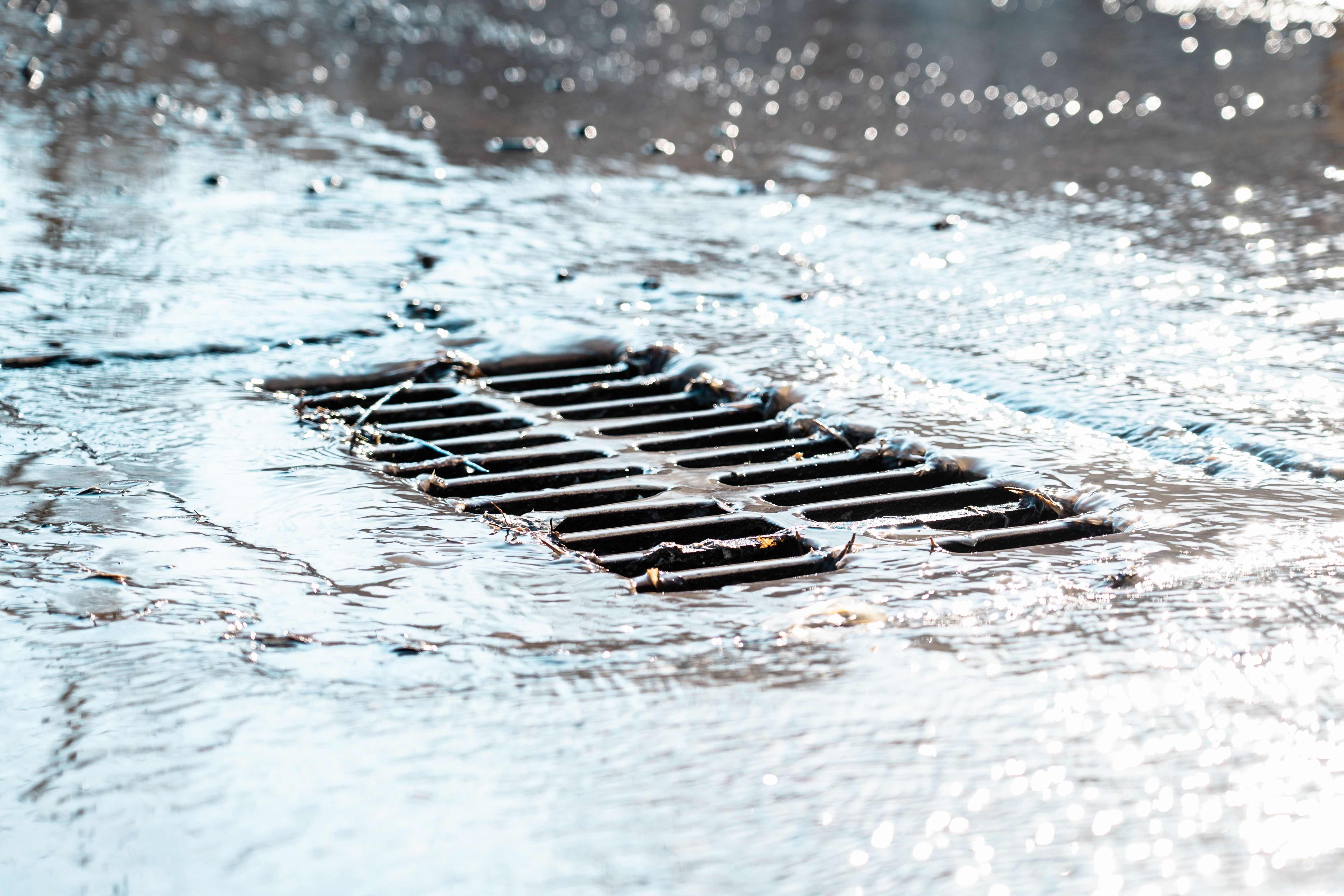
Despite their advantages, permeable surfaces also present challenges. Proper installation and maintenance are crucial to ensure their effectiveness and longevity. Clogging is a common issue, where debris and sediments block the pores of the material, reducing permeability.
Engineers must carefully assess site conditions, including soil type, climate, and expected traffic loads, to select the appropriate permeable surface. Ongoing maintenance, such as regular cleaning and inspection, is essential to maintain functionality.
The Future of Permeable Surfaces
As environmental concerns grow, the role of permeable surfaces in civil engineering will continue to expand. Innovations in materials and design are expected to enhance their performance and cost-effectiveness, making them a preferred choice for sustainable urban development.
Research and development efforts are focused on improving the durability and permeability of these surfaces, ensuring they meet the demands of modern infrastructure. As technology advances, permeable surfaces will play a key role in shaping the cities of the future, promoting sustainability and resilience.