
The Benefits of Sustainable Engineering: A Guide for Irish Infrastructure Projects


Understanding Sustainable Engineering
Sustainable engineering is transforming the way infrastructure projects are planned and executed in Ireland. It focuses on minimizing environmental impacts, conserving resources, and ensuring long-term economic and social benefits. As the demand for eco-friendly solutions increases, sustainable engineering becomes crucial for developing resilient infrastructure.

Environmental Benefits
One of the primary advantages of sustainable engineering is its positive impact on the environment. By incorporating renewable energy sources, reducing waste, and utilizing eco-friendly materials, projects can significantly decrease their carbon footprint. This approach not only preserves natural ecosystems but also enhances biodiversity.
Moreover, sustainable engineering practices help manage water resources more efficiently, reducing the risk of shortages and promoting cleaner water systems. This is particularly important in Ireland, where maintaining pristine natural landscapes is a priority.
Economic Advantages
Investing in sustainable engineering can lead to substantial economic benefits. Projects designed with sustainability in mind often experience lower operational costs due to energy efficiency and reduced resource consumption. Over time, these savings can offset initial investment costs, leading to greater profitability.
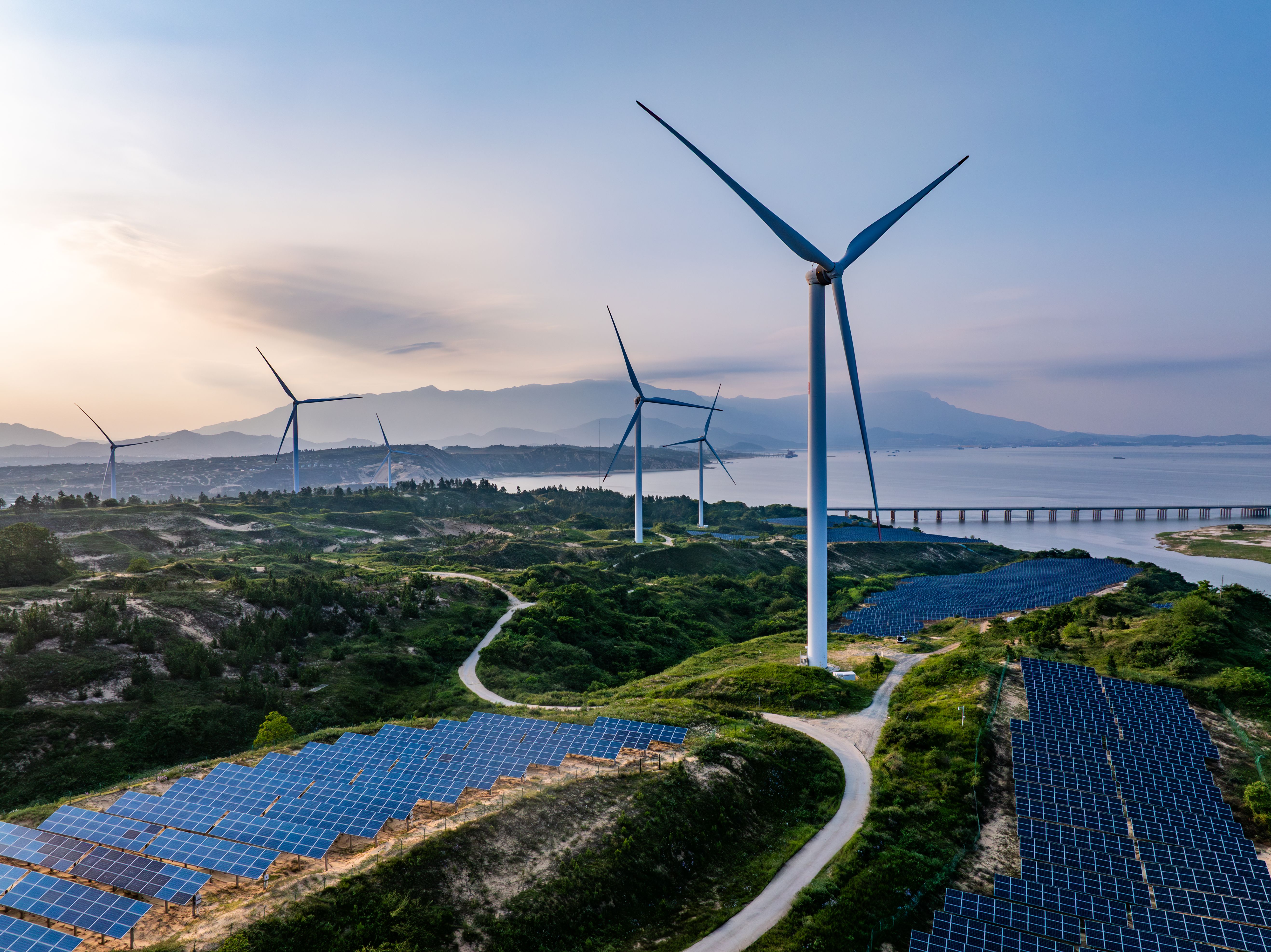
Additionally, sustainable infrastructure attracts investment and boosts local economies by creating green jobs and fostering innovation. As Ireland continues to grow, embracing sustainable engineering can ensure long-term economic stability and competitiveness in the global market.
Social Impact
Sustainable engineering also enhances the quality of life for communities. By prioritizing human health and safety, these projects can lead to cleaner air and water, reducing health risks and improving overall well-being. Furthermore, sustainable infrastructure often includes community-friendly designs, such as green spaces and accessible public transport, fostering social cohesion.
Incorporating community feedback and needs into the planning process ensures that projects align with local values and contribute positively to society.

Challenges and Solutions
While the benefits are clear, implementing sustainable engineering in Irish infrastructure projects can present challenges. These include higher upfront costs, regulatory hurdles, and the need for specialized knowledge and skills. To overcome these obstacles, collaboration between government, industry, and academia is essential.
Investing in education and training programs can build a skilled workforce capable of driving sustainable innovation. Additionally, government incentives and policy support can encourage the adoption of sustainable practices across the industry.
The Future of Sustainable Engineering in Ireland
As Ireland continues to focus on sustainability, the role of sustainable engineering will only grow. By embracing innovative technologies and practices, the country can lead the way in developing infrastructure that meets the needs of present and future generations.
Ultimately, sustainable engineering is not just a trend but a necessary evolution in infrastructure development. By prioritizing environmental, economic, and social benefits, Ireland can build a more resilient and prosperous future.