
Exploring the Benefits of Permeable Surfaces for Urban Development


Introduction to Permeable Surfaces
Urban development is continuously evolving, and one of the most innovative solutions gaining traction is the use of permeable surfaces. These surfaces allow water to pass through, reducing runoff and promoting groundwater recharge. As cities grapple with increased rainfall and stormwater management challenges, permeable surfaces offer a sustainable alternative to traditional paving materials.
Permeable surfaces come in various forms, including permeable concrete, porous asphalt, and interlocking pavers. Each type has unique properties that make it suitable for different applications, from parking lots to pedestrian pathways.
Environmental Benefits
Reducing Urban Runoff
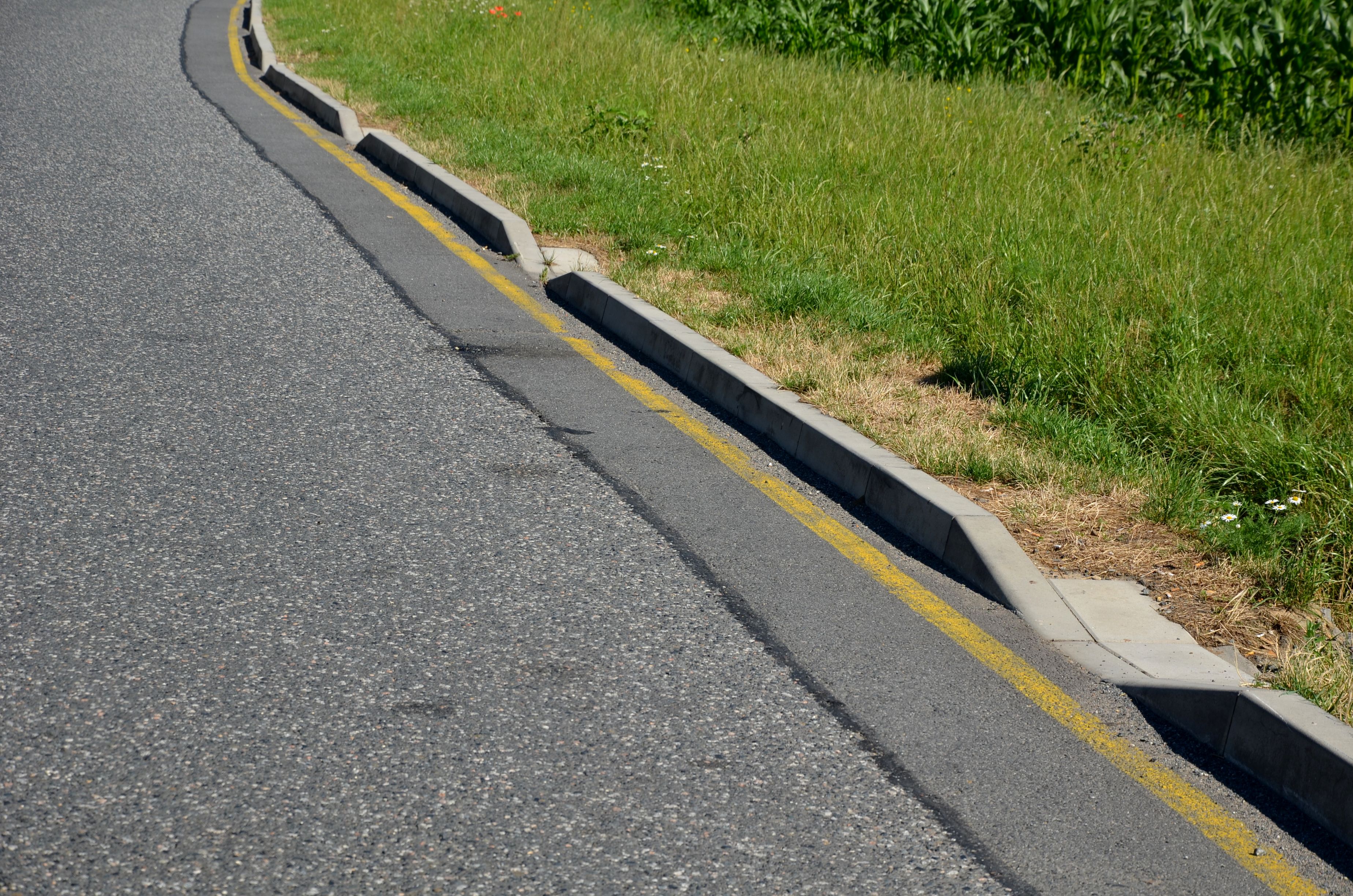
One of the primary advantages of permeable surfaces is their ability to reduce urban runoff. Traditional asphalt and concrete surfaces contribute to water pooling and flooding, especially during heavy rainfalls. Permeable surfaces allow water to infiltrate the ground, minimizing the risk of flooding and reducing the burden on municipal drainage systems.
Improving Water Quality
As water filters through permeable surfaces, pollutants are naturally removed through soil and sub-layer filtration. This process improves water quality by reducing contaminants before they reach natural water bodies.
Economic Advantages
Cost-Effective Stormwater Management
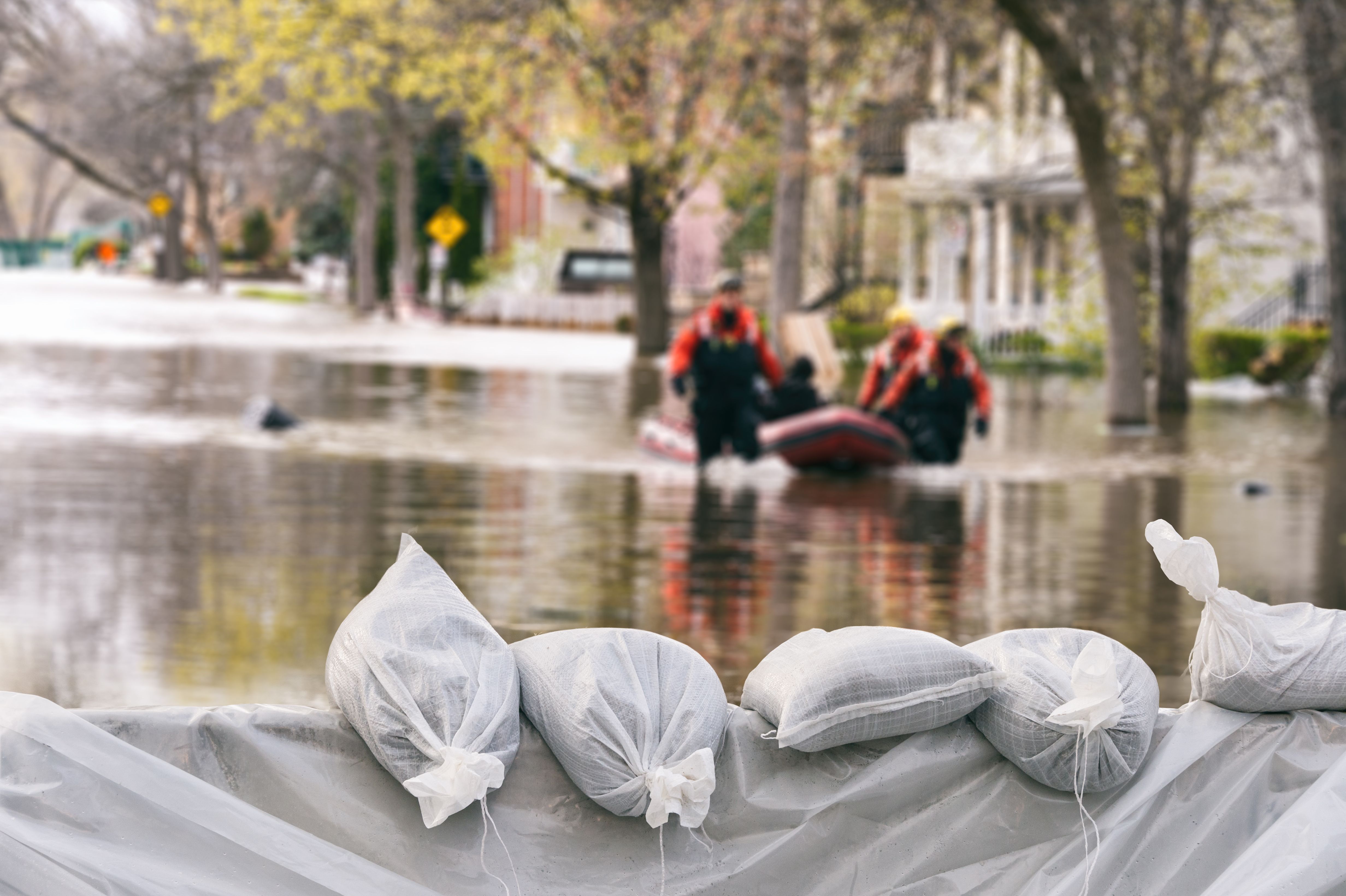
Implementing permeable surfaces can be a cost-effective solution for stormwater management. By reducing the need for complex drainage systems, cities can save on infrastructure costs. Additionally, the decreased risk of flooding can lead to lower maintenance expenses over time.
Long-Term Durability
Permeable surfaces are designed to withstand harsh weather conditions and heavy traffic. Their durability can lead to longer lifespans compared to traditional materials, providing further economic benefits through reduced repair and replacement costs.
Social and Aesthetic Benefits
Enhanced Urban Aesthetics
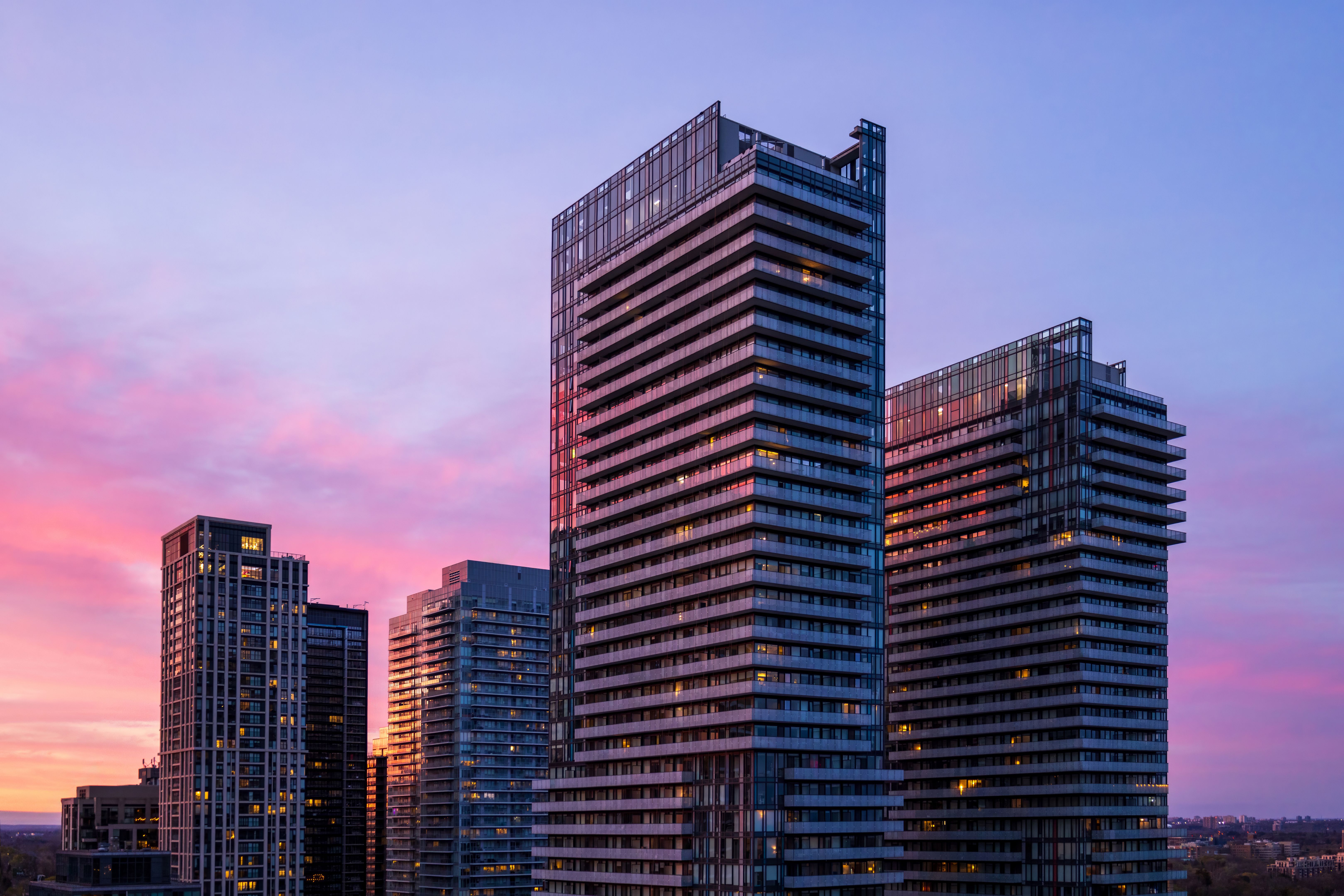
Beyond their functional benefits, permeable surfaces contribute to the aesthetic appeal of urban spaces. Available in a variety of designs and colors, they can enhance the visual landscape, making cities more attractive and inviting.
Promoting Green Spaces
Permeable surfaces support the integration of green spaces within urban environments. By allowing vegetation to thrive and improving soil health, these surfaces contribute to greener, more livable cities.
Conclusion
As urban areas continue to expand, embracing innovative solutions like permeable surfaces is crucial for sustainable development. By offering environmental, economic, and social benefits, permeable surfaces present a compelling case for cities aiming to enhance resilience and livability. Through thoughtful integration, permeable surfaces can transform urban landscapes into vibrant, sustainable communities.