
Ensuring SUDS Compliance with Resin Bound Surfaces


Understanding SUDS Compliance
Sustainable Urban Drainage Systems (SUDS) are essential for managing surface water in urban areas, helping to prevent flooding and water pollution. Compliance with SUDS guidelines is crucial for any construction or landscaping project. One effective way to ensure compliance is by using resin bound surfaces, which are known for their permeability and eco-friendly properties.
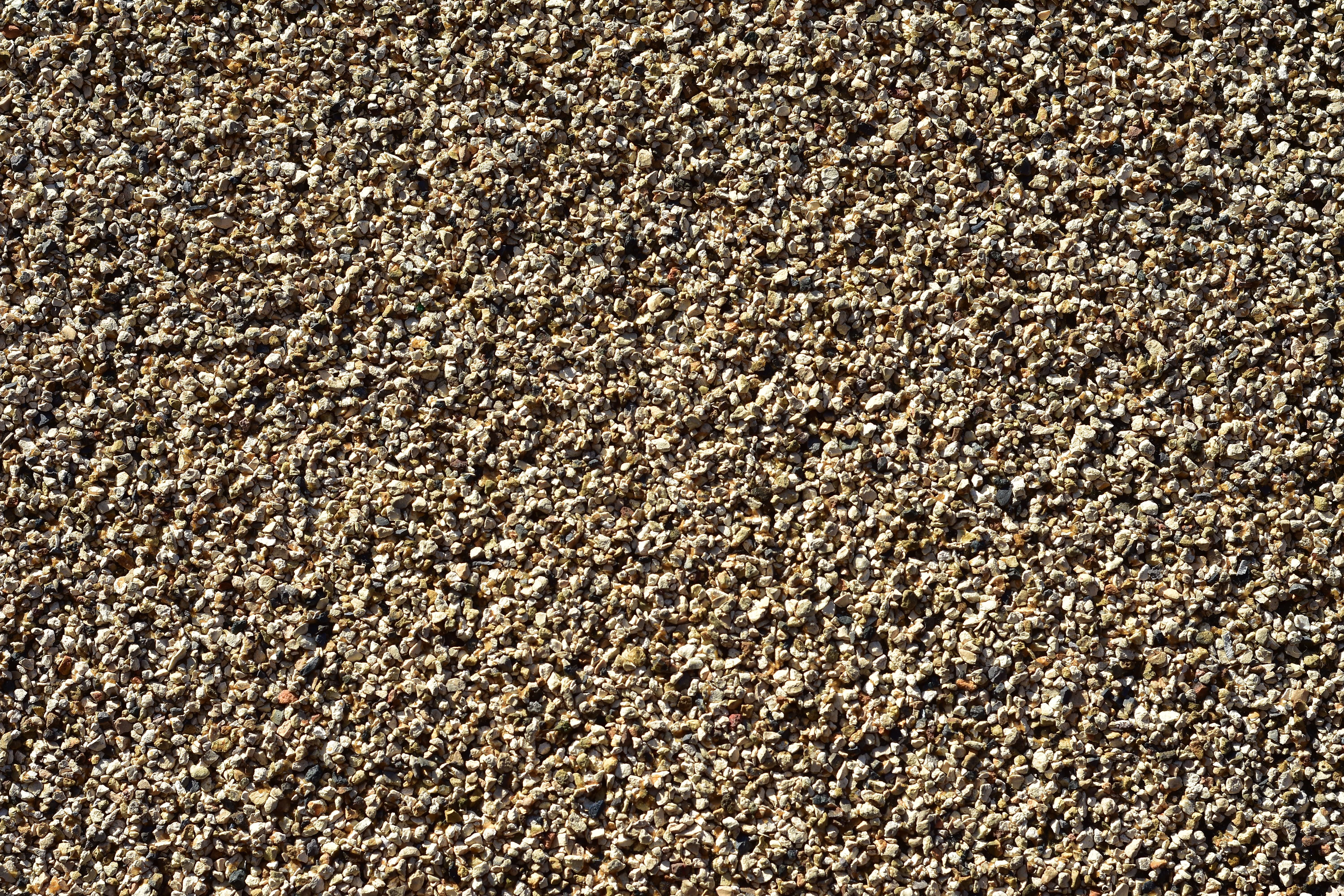
Resin bound surfaces are created by mixing resin with aggregates, resulting in a durable and porous surface that allows water to drain through. This makes them an excellent choice for driveways, pathways, and patios. By choosing resin bound surfaces, you can contribute to reducing the risk of flooding and improving water management in urban areas.
Benefits of Resin Bound Surfaces
Resin bound surfaces offer numerous benefits beyond SUDS compliance. Firstly, their permeability helps to reduce surface water runoff, which is a common cause of urban flooding. By allowing rainwater to seep through, these surfaces help maintain natural groundwater levels and reduce pressure on drainage systems.
Additionally, resin bound surfaces are highly durable and low maintenance. They resist cracking and can withstand heavy loads, making them ideal for both residential and commercial applications. Furthermore, their aesthetic appeal can enhance the overall look of any property, as they are available in a variety of colors and finishes.
Installation Best Practices
To ensure that your resin bound surface is SUDS compliant, it's essential to follow best installation practices. Proper preparation of the base is crucial, as it ensures the surface remains stable and permeable. A well-compacted sub-base with adequate drainage capabilities is necessary to support the resin bound layer.
It's also important to work with experienced professionals who understand the nuances of resin bound installations. They can ensure that the appropriate mix of resin and aggregates is used and that the surface is laid correctly to maintain its permeability and durability over time.
Environmental Considerations
Choosing resin bound surfaces aligns with broader environmental goals. By reducing surface water runoff, they help protect local water bodies from pollution caused by urban runoff. This is particularly important in areas where traditional drainage systems are overwhelmed by heavy rainfall.
Moreover, resin bound surfaces can be made from recycled materials, further enhancing their eco-friendliness. By opting for recycled aggregates, you can reduce the environmental impact of your project and promote sustainability.
Regulatory Compliance
Ensuring SUDS compliance involves adhering to local regulations and guidelines. It's important to consult with local authorities and understand the specific requirements for your area. These regulations often dictate the permeability standards and design criteria needed to meet SUDS objectives.
By utilizing resin bound surfaces, you can more easily meet these regulatory requirements, as their inherent permeability aligns with SUDS principles. This not only simplifies the approval process but also contributes to the overall sustainability of your project.

Conclusion
Incorporating resin bound surfaces into your construction and landscaping projects is a smart and eco-friendly decision. Not only do they ensure SUDS compliance, but they also offer durability, aesthetic appeal, and environmental benefits. By choosing this sustainable option, you can help manage urban water effectively and contribute to a greener future.