
Enhancing Public Spaces: The Role of Landscaping and Design


The Importance of Landscaping in Public Spaces
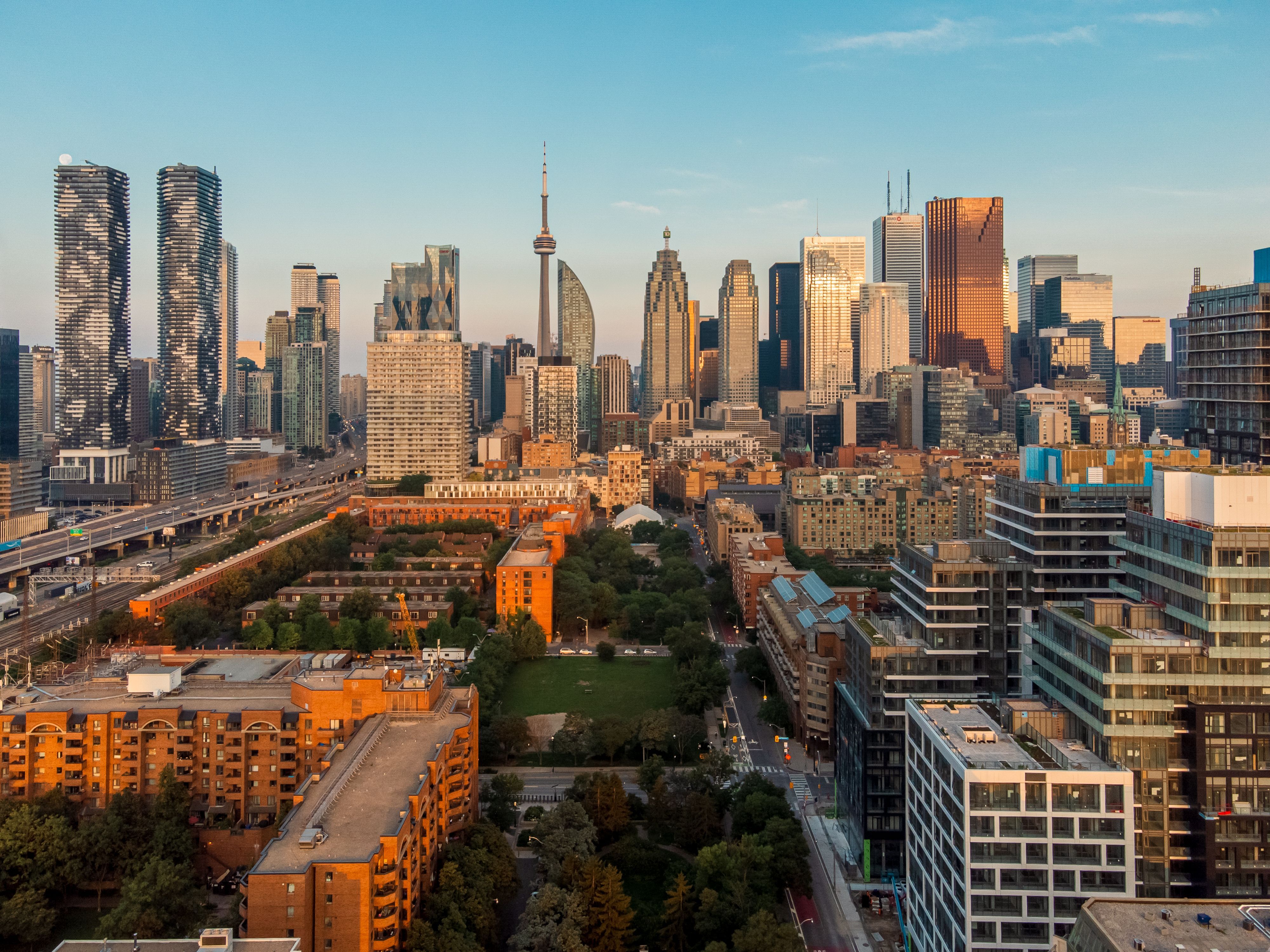
Public spaces are vital components of urban life, offering places for recreation, relaxation, and social interaction. Central to the appeal and functionality of these areas is thoughtful landscaping and design. By incorporating natural elements, public spaces can be transformed into inviting environments that promote well-being and community engagement.

Environmental Benefits
Landscaping in public spaces provides significant environmental advantages. Trees and plants help improve air quality by absorbing pollutants and releasing oxygen. They also play a critical role in temperature regulation, offering shade that reduces the urban heat island effect. Additionally, well-designed landscapes support biodiversity by creating habitats for various species.
Moreover, incorporating green infrastructure can manage stormwater more effectively. Features such as rain gardens and permeable pavements reduce runoff, mitigating flood risks and promoting groundwater recharge. These ecological enhancements make urban areas more resilient to climate change.
Social and Cultural Impact
Beyond environmental benefits, landscaping enriches the social and cultural fabric of communities. Well-maintained public spaces serve as gathering points for people of all ages and backgrounds, fostering a sense of community and belonging. They are ideal venues for cultural events, recreational activities, and informal social interactions.
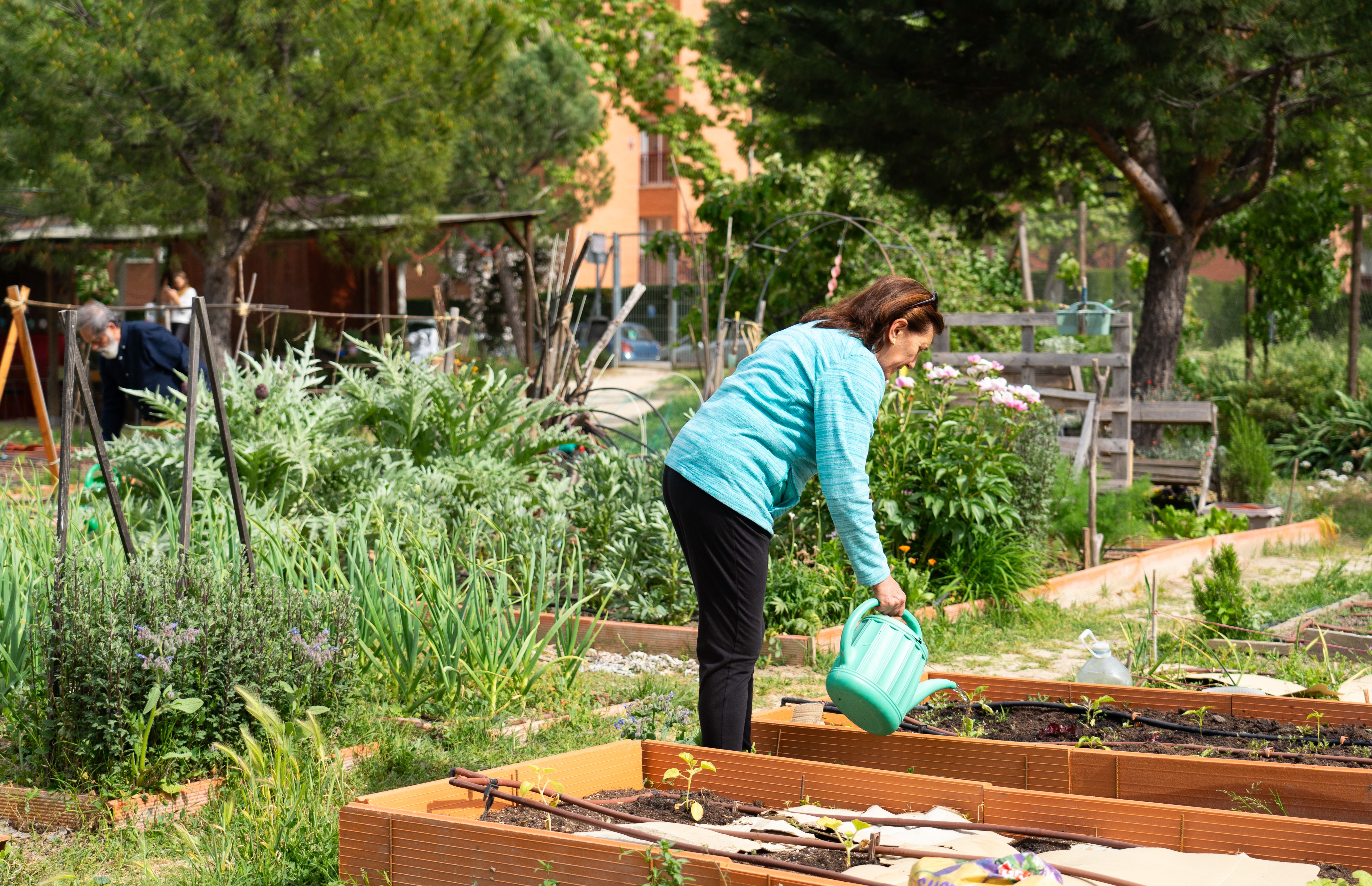
Design elements like walkways, seating areas, and art installations can reflect the unique identity and history of a neighborhood, reinforcing local pride. Thoughtful design encourages people to linger, explore, and connect, enhancing the overall quality of life.
Economic Value
Investing in public space landscaping also yields economic benefits. Attractive, well-designed areas can increase property values and stimulate local business activity by drawing more visitors. Green spaces are increasingly seen as valuable urban assets that contribute to economic vitality and sustainability.
Moreover, these spaces can reduce urban infrastructure costs. By addressing environmental challenges such as flooding and air pollution, they minimize the need for expensive engineered solutions, offering a cost-effective approach to urban planning.
Challenges and Considerations
While the benefits are clear, designing public spaces comes with challenges. Balancing the needs of diverse user groups, ensuring accessibility, and maintaining the longevity of landscape features require careful planning and community involvement. It's essential to engage stakeholders in the design process to create spaces that are inclusive and cater to various needs.
Additionally, sustainability must be at the forefront of design considerations. Selecting native plants, using sustainable materials, and implementing eco-friendly maintenance practices are crucial for creating resilient landscapes that thrive over time.
Conclusion
Landscaping and design play a pivotal role in enhancing public spaces, offering significant environmental, social, and economic benefits. By creating inviting, functional, and sustainable environments, we can transform urban areas into vibrant communities. As cities continue to grow, prioritizing the thoughtful design of public spaces will be essential in fostering healthier, more connected, and resilient urban landscapes.