
A Comprehensive Guide to Sustainable Urban Drainage Systems (SuDS)


As urban areas continue to expand, the importance of managing water runoff becomes increasingly critical. Sustainable Urban Drainage Systems (SuDS) offer an innovative solution to tackle this challenge, balancing environmental, social, and economic factors to create harmonious urban landscapes.

Understanding SuDS
SuDS are designed to mimic natural drainage processes, reducing flood risks and improving water quality. Unlike traditional drainage systems, which quickly channel water away, SuDS aim to manage runoff close to its source. This approach not only alleviates pressure on sewer systems but also enhances biodiversity and urban aesthetics.
Key Components of SuDS
SuDS comprise various elements, each serving a specific function. Some of the key components include:
- Permeable surfaces: These materials allow water to infiltrate through surfaces like pavements, reducing surface runoff.
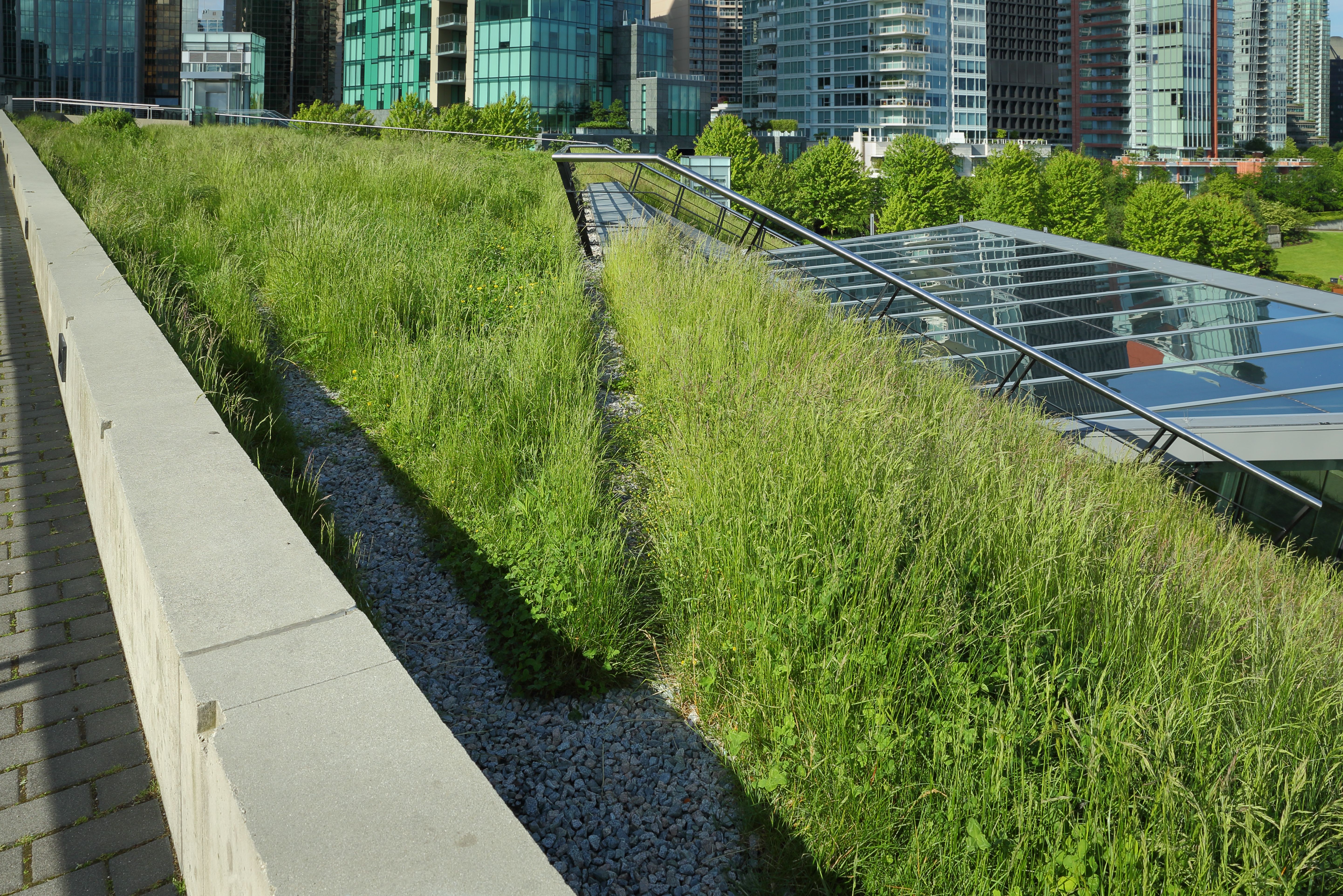
- Green roofs: Vegetated roof covers that absorb rainwater and provide insulation.
- Swales: Shallow, vegetated channels that slow and filter water flow.
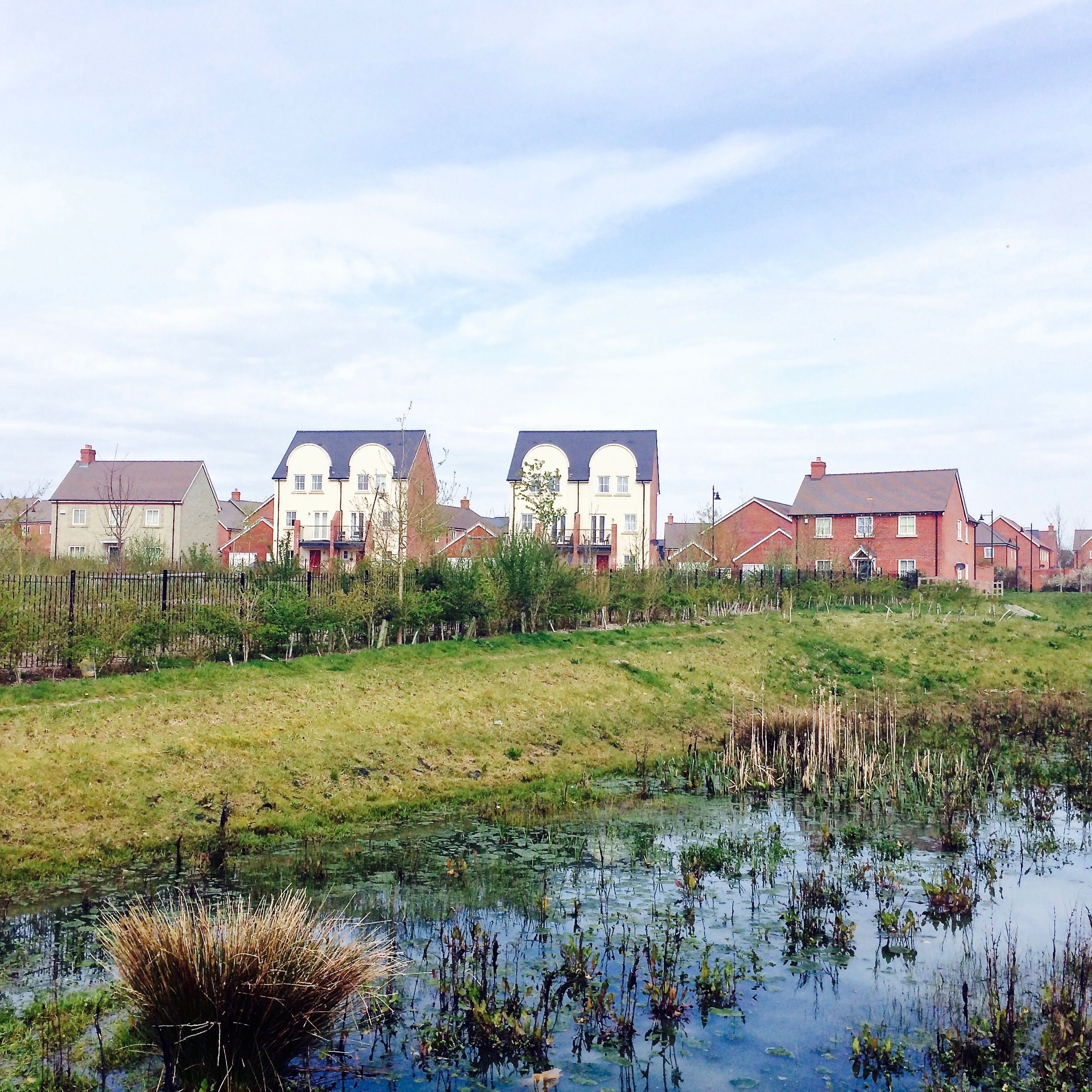
- Detention basins: Areas designed to temporarily hold excess water during heavy rainfall.
Benefits of Implementing SuDS
Implementing SuDS offers numerous advantages. Firstly, they significantly reduce flood risks by managing water at its source. Additionally, SuDS improve water quality by filtering pollutants through natural processes. They also contribute to urban green spaces, enhancing biodiversity and providing recreational areas for communities.
Economic and Social Impacts
Beyond environmental benefits, SuDS can have positive economic effects. They often require less maintenance compared to conventional systems, leading to cost savings over time. Socially, they create more attractive and healthier environments, encouraging community interaction and well-being.
Challenges and Considerations
While SuDS offer numerous benefits, implementing them can present challenges. Urban planners must consider land use, cost implications, and maintenance requirements. It is crucial to integrate SuDS into urban planning early, ensuring they are part of a cohesive strategy.
Future of SuDS in Urban Planning
The future of urban planning is undoubtedly leaning towards sustainability. As cities continue to grow, integrating SuDS will become increasingly essential. By adopting these systems, cities can enhance resilience against climate change, improve quality of life, and create more sustainable environments for future generations.
In conclusion, Sustainable Urban Drainage Systems represent a transformative approach to urban water management. By understanding and implementing these systems, cities can not only address current challenges but also pave the way for a more sustainable future.