A Comprehensive Guide to Groundworks and Surfacing Solutions


Understanding Groundworks
Groundworks serve as the foundation of any construction project. It involves preparing the land for building, ensuring a stable and secure base. This process includes several tasks such as clearing land, excavation, and installing drainage systems. A strong groundwork phase is crucial for the longevity and safety of the structure.
One of the primary steps in groundworks is site clearance. This involves removing any obstacles like trees, bushes, and debris. Proper site clearance ensures that the land is ready for further development and that no underlying issues can affect the construction.

Excavation and Earthworks
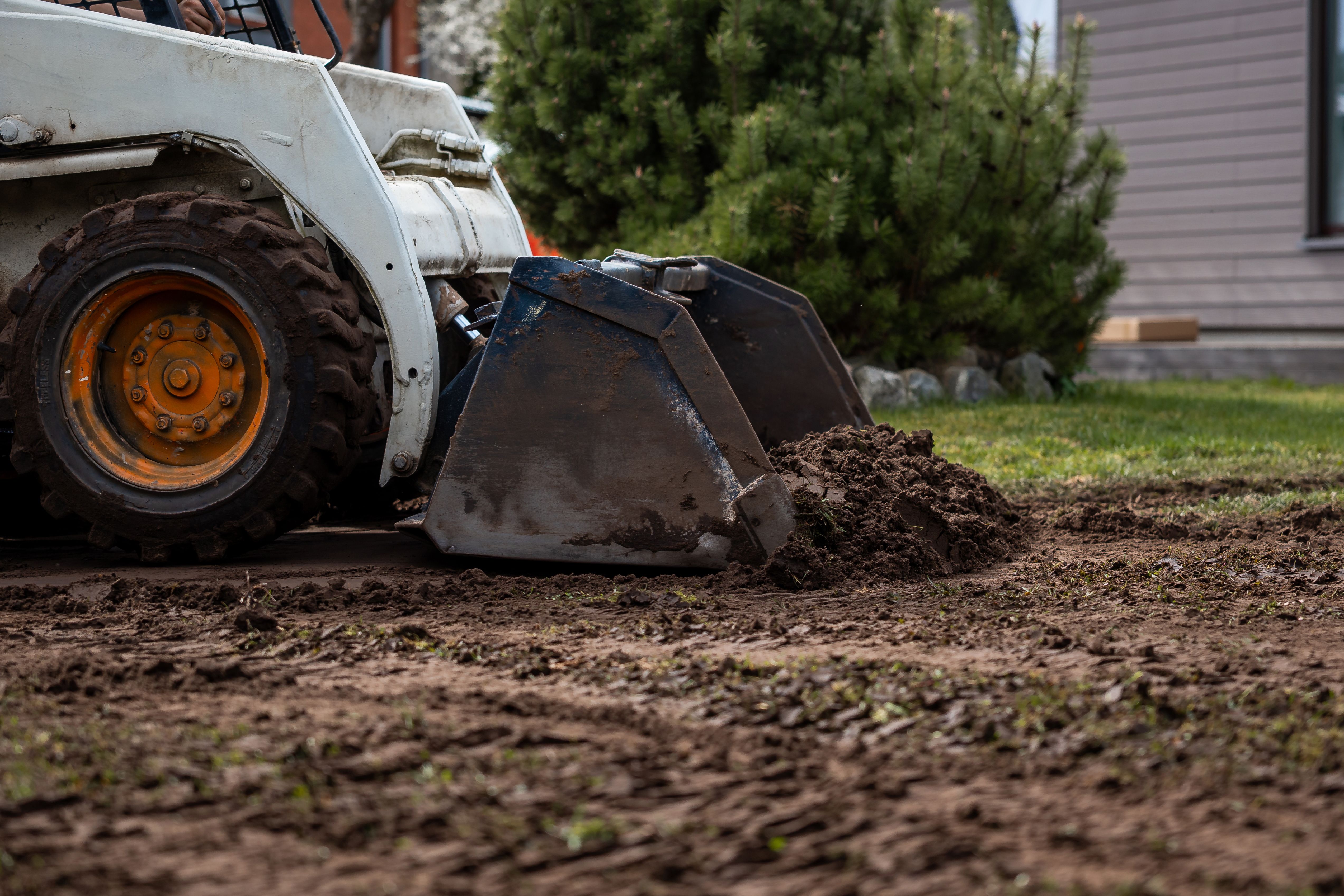
Excavation is a critical component of groundworks. It involves digging and removing soil to create a stable foundation. The depth and type of excavation depend on the project requirements and the soil conditions. Proper excavation ensures that the building will have a strong base to stand on.
Earthworks also play a significant role in preparing the land. This includes shaping the land according to the project design, which can involve filling or cutting the earth. These tasks require precision and expertise to maintain the integrity of the construction site.
Drainage Systems
A well-designed drainage system is essential to prevent water accumulation, which can weaken the foundation. Drainage solutions may include the installation of pipes, trenches, and soakaways. These systems help manage water flow and protect the structure from potential damage.
Proper drainage is not only important during construction but also for the long-term maintenance of the building. It ensures that water is effectively diverted away from the foundation, reducing the risk of erosion and other water-related issues.
Importance of Surfacing Solutions
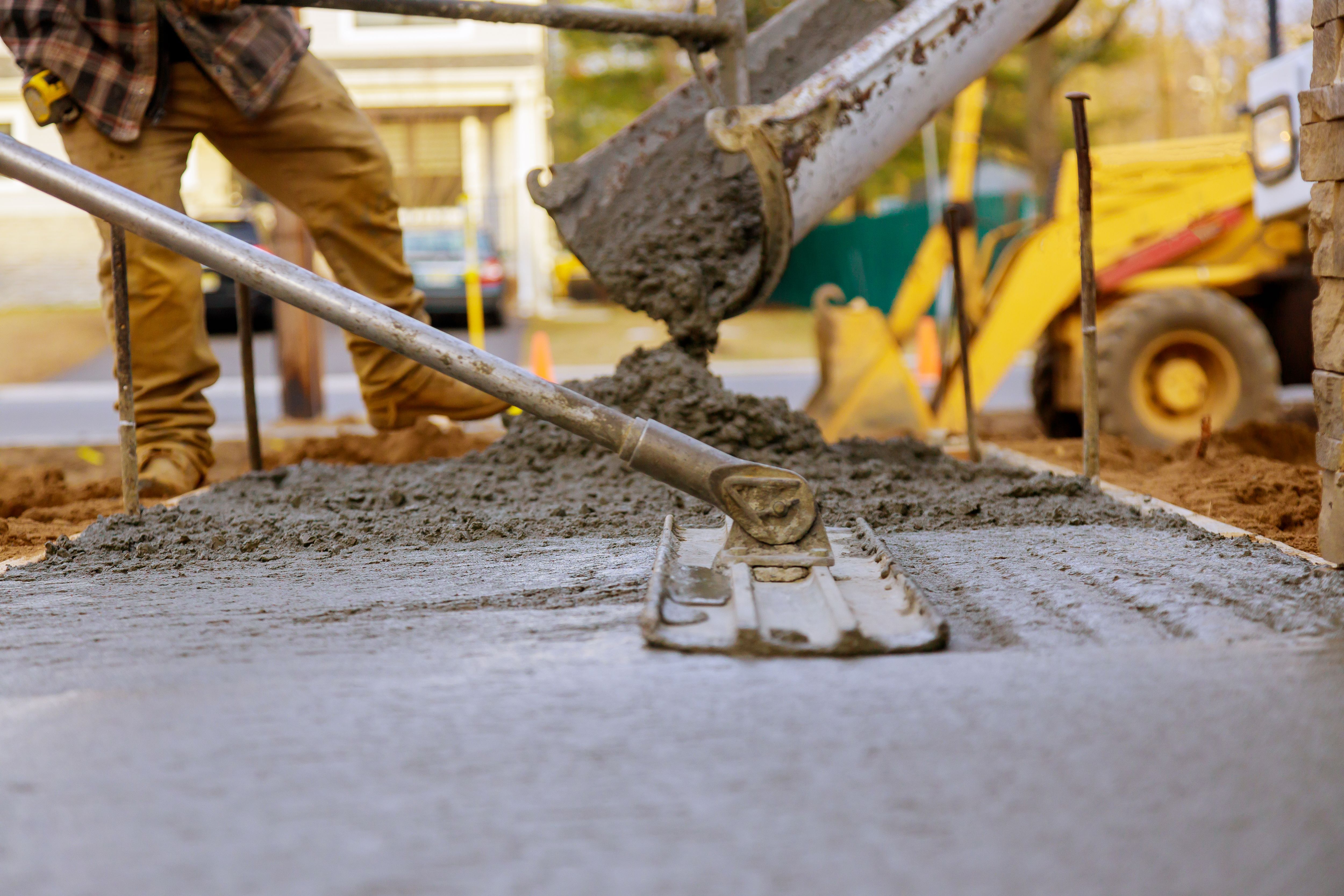
Once the groundwork is completed, surfacing solutions come into play. These solutions provide the final layer that makes the surface usable and aesthetically pleasing. Whether it's a driveway, road, or patio, the right surfacing solution enhances both functionality and appearance.

Common surfacing materials include asphalt, concrete, gravel, and paving stones. Each material has its own benefits and is chosen based on the specific needs of the project. For example, asphalt is often used for roads due to its durability and cost-effectiveness.
Choosing the Right Surfacing Material
Selecting the appropriate surfacing material requires consideration of several factors such as budget, usage, and environmental conditions. For instance, concrete is a popular choice for high-traffic areas due to its strength and longevity. Meanwhile, gravel may be suitable for rural driveways where budget constraints exist.
It's essential to consult with experts to determine the best material for your project. They can provide insights into the pros and cons of each option, ensuring that the chosen surface meets your needs and expectations.