
A Complete Guide to Infrastructure Rehabilitation and Site Development


Understanding Infrastructure Rehabilitation
Infrastructure rehabilitation involves the repair, restoration, and improvement of existing systems that are crucial for the functioning of a society. This includes roads, bridges, water supply systems, and more. The goal is to enhance the lifespan, safety, and efficiency of these structures. Given the aging infrastructure in many regions, rehabilitation is becoming increasingly vital.

A key aspect of infrastructure rehabilitation is assessing the current condition of a structure. This involves thorough inspections and evaluations to identify any areas of concern. Engineers use advanced tools and techniques to pinpoint weaknesses or damage that need attention. Once identified, a comprehensive plan is developed to address these issues.
Key Steps in Infrastructure Rehabilitation
The process of rehabilitating infrastructure typically follows several key steps:
- Assessment and Planning: Detailed analysis of the current state and requirements.
- Design and Engineering: Developing solutions and strategies for rehabilitation.
- Construction and Implementation: Carrying out the repair and restoration work.
- Monitoring and Maintenance: Ensuring longevity and performance post-rehabilitation.
Site Development Basics
Site development is the process of preparing a construction site for new projects. This includes everything from clearing and grading the land to installing necessary utilities. Effective site development lays the groundwork for successful project completion.

One of the first steps in site development is conducting a site analysis. This involves examining the physical characteristics of the land, such as soil type, topography, and existing vegetation. Understanding these factors helps in making informed decisions about the best approach to development.
Components of Site Development
Site development involves a range of activities, including:
- Land Clearing: Removing trees, brush, and other obstacles from the site.
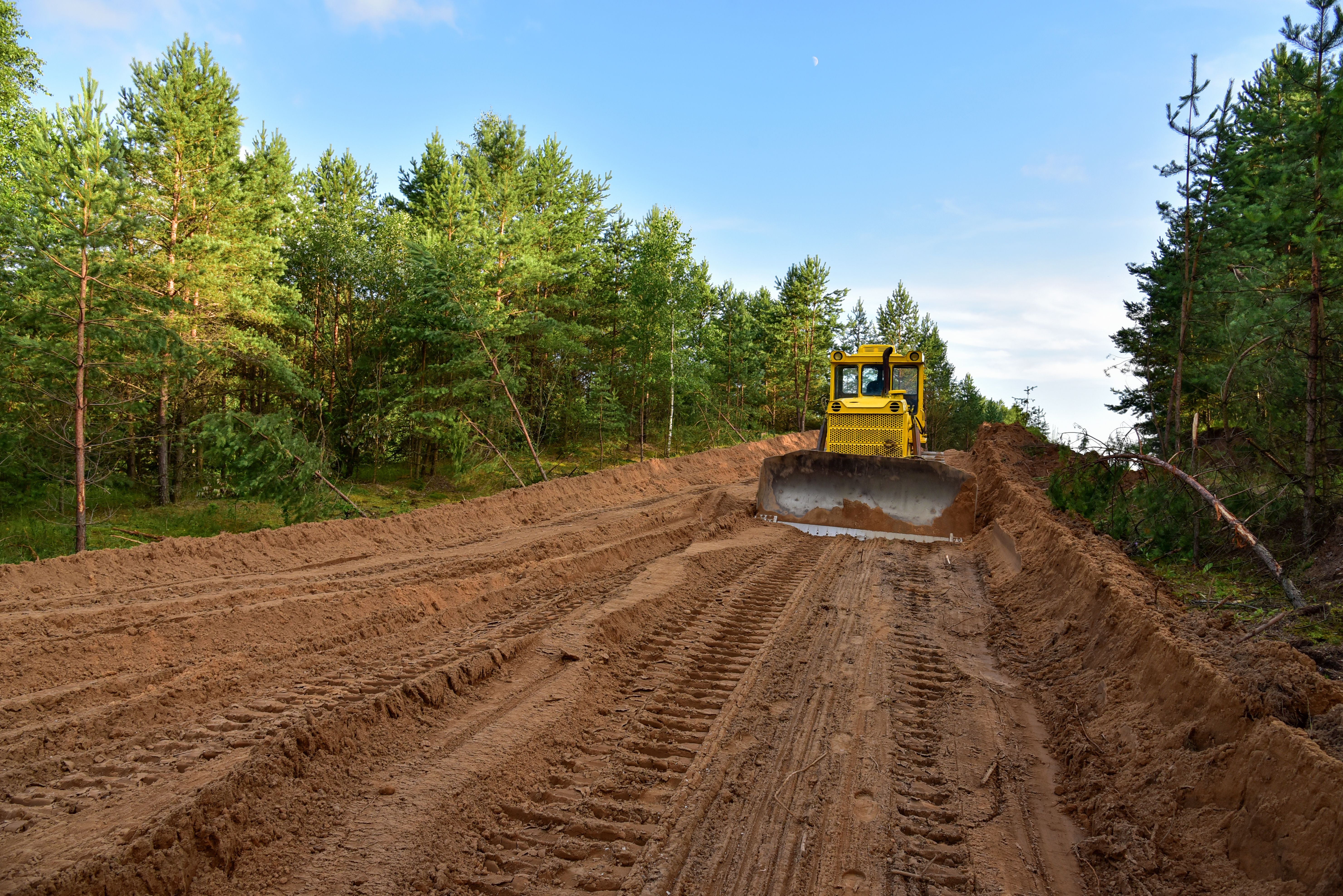
- Grading: Leveling the land to ensure proper drainage and support for structures.
- Utility Installation: Setting up water, sewer, electric, and communication systems.
- Access Roads: Constructing roads for easy access to the site during construction.
The Importance of Sustainable Practices
Both infrastructure rehabilitation and site development can have significant environmental impacts. Therefore, incorporating sustainable practices is crucial. This includes using eco-friendly materials, minimizing waste, and ensuring energy efficiency. By prioritizing sustainability, projects can reduce their carbon footprint and contribute to environmental preservation.
Adopting sustainable practices not only benefits the environment but also enhances the long-term viability of the infrastructure. It ensures that the infrastructure can withstand environmental challenges and continue to serve communities effectively.
Conclusion
Infrastructure rehabilitation and site development are critical components of modern construction and urban planning. By understanding the processes involved and emphasizing sustainability, communities can build resilient and efficient infrastructure systems. Investing in these areas not only improves current conditions but also secures a better future for generations to come.